




Get STI Testing
If you have symptoms or are worried you might have an STI come and see us for confidential testing.
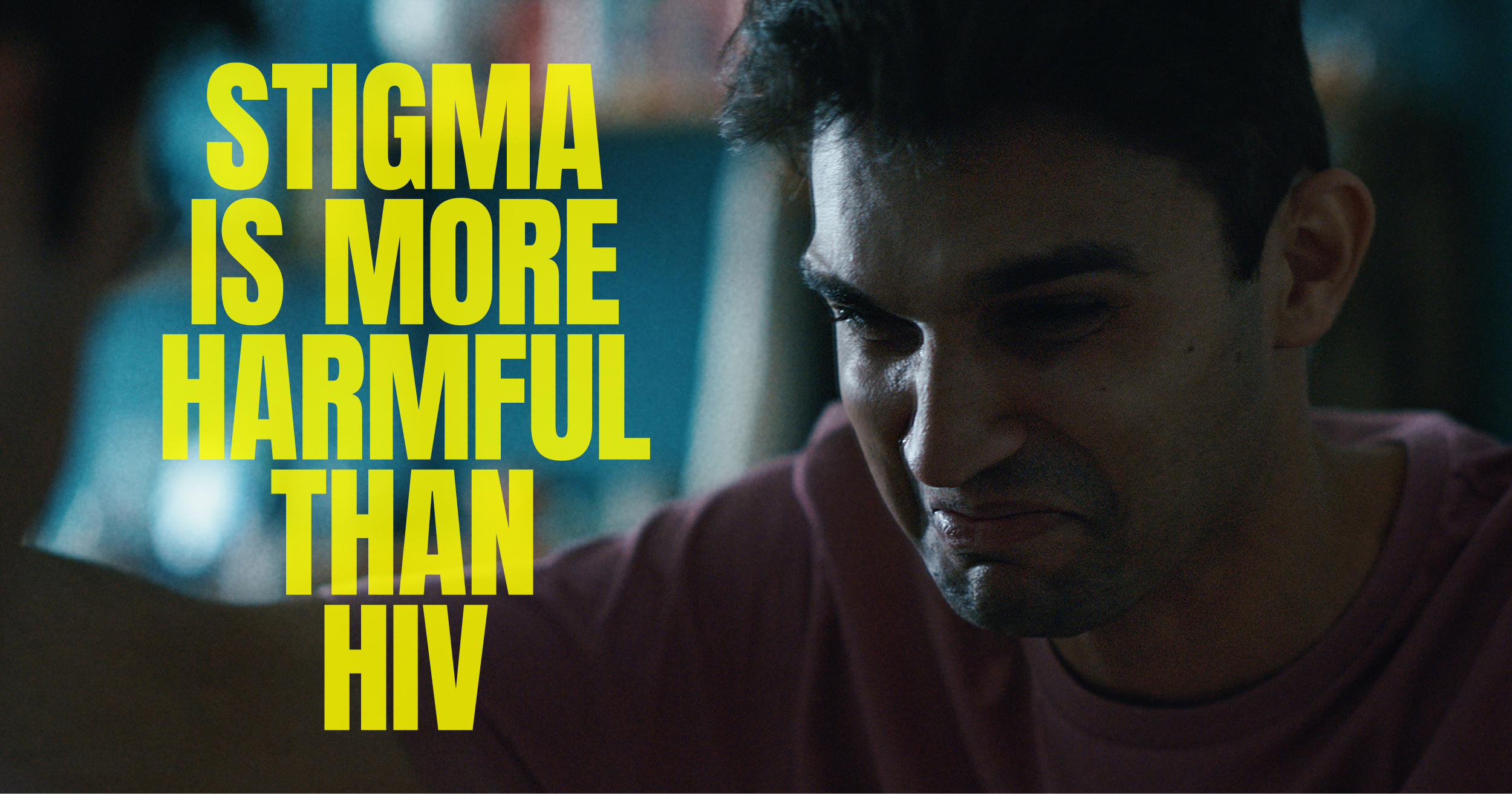
Stigma is more harmful than HIV
Common misconceptions about HIV have a devastating impact on people living with the virus.
HIV is now treatable – one pill a day means that it can’t be passed on, and people living with HIV can live a long and healthy life.
About STIs and BBVs
There are infections and viruses you can get from having sex, and from genital, oral, or anal contact with another person. These are called sexually transmitted infections (STIs) and blood borne viruses (BBVs).
Chlamydia and Gonorrhea are common STIs and HIV is an example of a blood borne virus.
Getting tested for STIs and BBVs is easy, free, and confidential
- The tests you need depend on the type of sex you have had.
- You can get STIs and BBVs in different parts of your body. This includes your genitals (penis, vagina), anus (bottom) and throat.
- You can have symptoms or no symptoms at all.
- If you have had sex with someone without using a condom it is a good idea to get tested. Using a condom is a good way of protecting yourself (and your partner) from STIs and BBVs.
- If you are aged 13 or older you have the same rights to confidentiality as an adult. If the service thinks you are being harmed or in danger, they may share some information with another professional. Find out more about confidentiality.
- Tests you get from a sexual health clinic will not be recorded on your general medical record.
Find out more information on STIs and BBVs at Brook.
When can I get tested?
Wait at least 2 weeks after you had unprotected sex. Unprotected sex means sex without a condom or dam.
Getting tested sooner may not give an accurate result.
If you are experiencing painful or distressing symptoms or need treatment or vaccinations, you should contact Chalmers Sexual health on 0131 536 1070
Where can I get tested?
Options for accessing STI testing in Lothian:
1. Get tested at a sexual health clinic
Sexual health clinics offer full STI and BBV testing and treatment. A doctor or nurse will ask about the sex you have had, and give advice about the tests you need.
Getting a test from a young people’s sexual health clinic means you can also ask questions about your sexual health and access things like;
- Free condoms
- Contraception
- Emergency contraception
- Pregnancy tests and advice
- Support to access PrEP
- Talking to youth worker
Find a young people’s sexual health clinic in your area here.
2. “No-Talk” STI Testing (15+)
If you are aged 15 or older, have no STI symptoms, and no specific health concerns you may be eligible for ‘No-Talk’ testing at Chalmers Sexual Health Centre.
This is a quick, routine STI testing service available on most weekdays. A Healthcare Support Worker will guide you through taking your samples:
- Swab or Urine sample: Tests for chlamydia and gonorrhoea.
- Blood sample from your arm: Tests for HIV and syphilis.
You will not be examined, staff cannot answer medical questions, and no other services (like contraception, pregnancy tests, or vaccinations) can be provided during this visit.
Learn more about No-Talk testing or check if you are eligible here.
3. Talk to your GP
Many GP practices offer STI testing. You can call your GP practice or check their website to find out if they offer STI testing.
The sexual health care you get from a GP is confidential, just the same as it is if you come to a sexual health clinic.
- HIV self test kit
HIV self tests are fast and confidential. They are free in Scotland from Terrence Higgins Trust (order here). The test comes in an unmarked envelope. You do the test yourself and see the result in just a few minutes.
If you have symptoms
If you have symptoms of an STI and need medical advice, drop-in to a sexual health clinic.



Need to talk to someone now?